
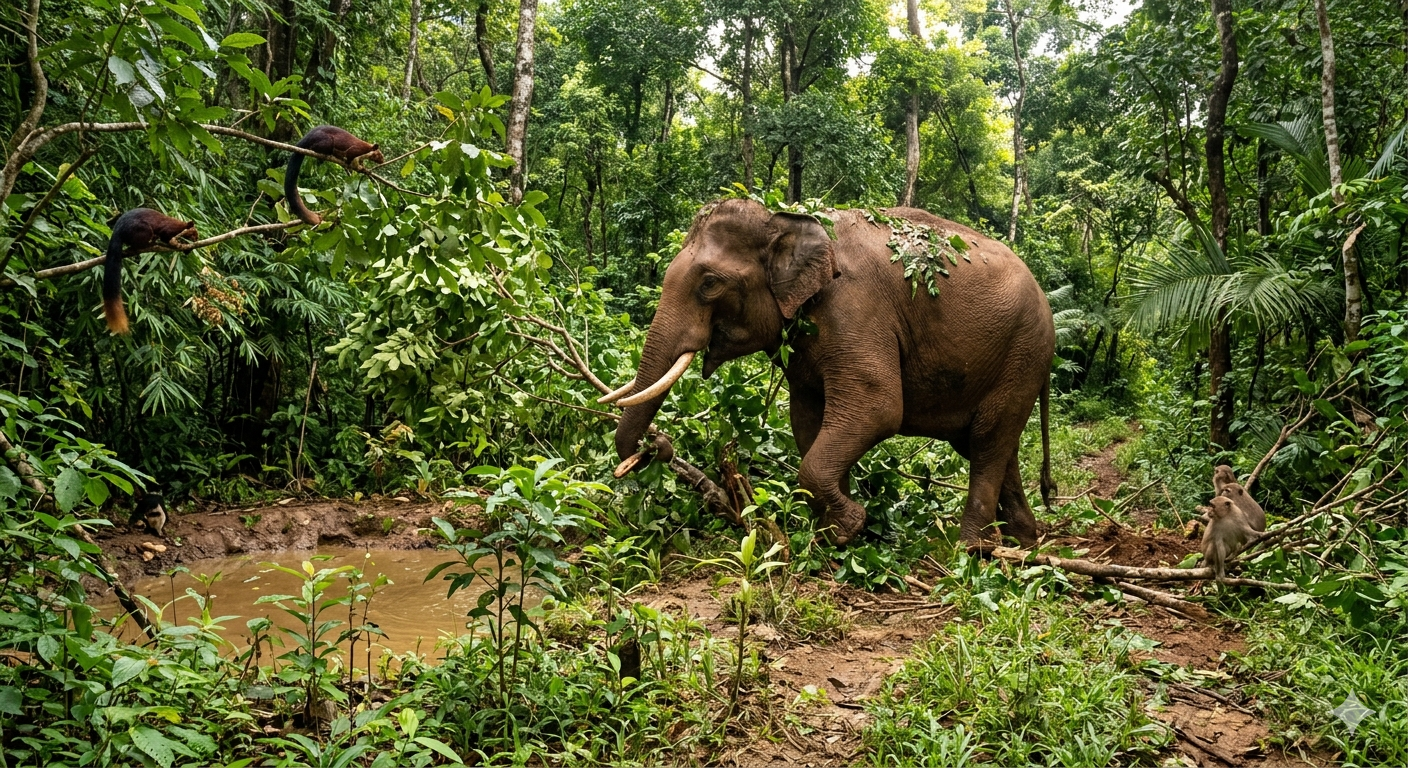

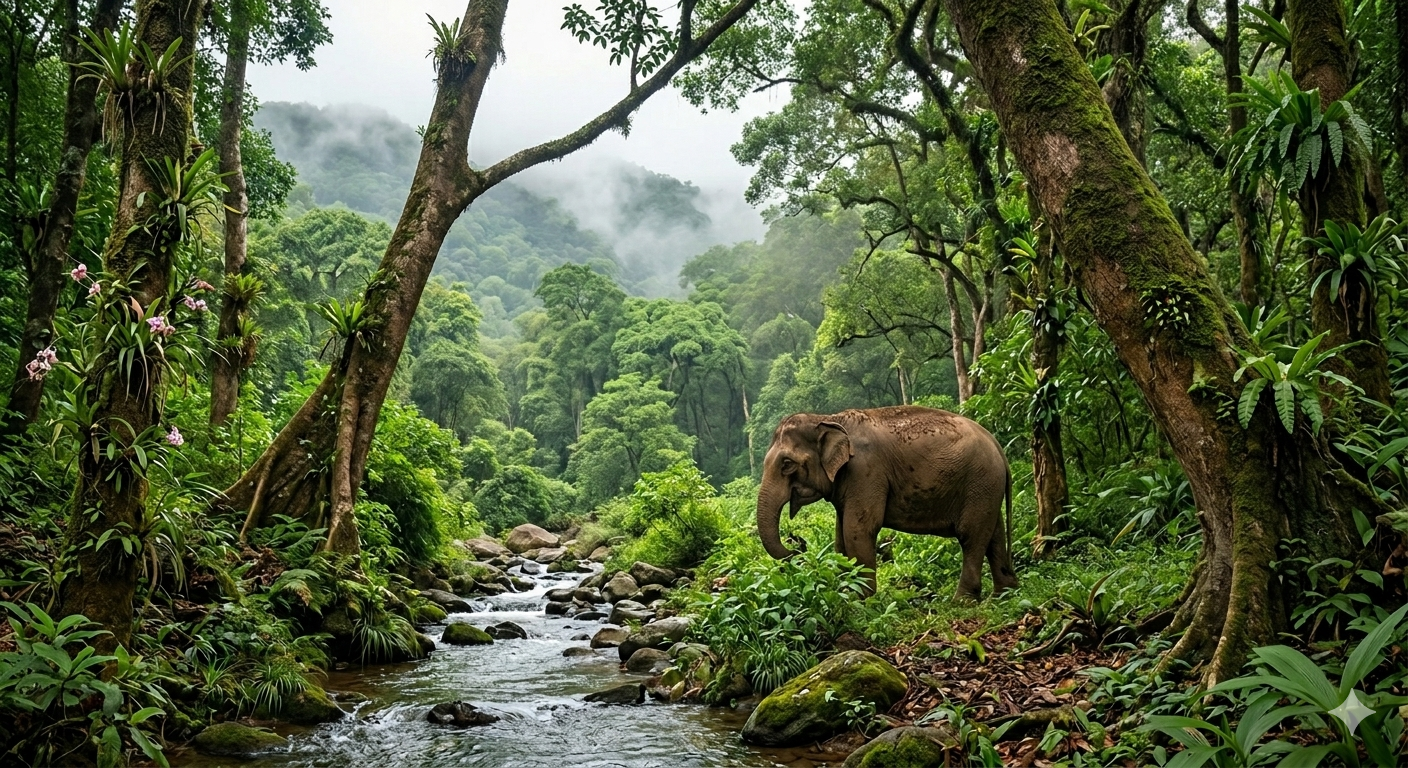
Elephants are not just wildlife—they are
ecosystem engineers critical to climate stability.
By shaping forests, dispersing seeds, and
maintaining biodiversity, elephants directly contribute to:
- Enhancing carbon sequestration
- Supporting forest regeneration
- Sustaining oxygen-producing ecosystems
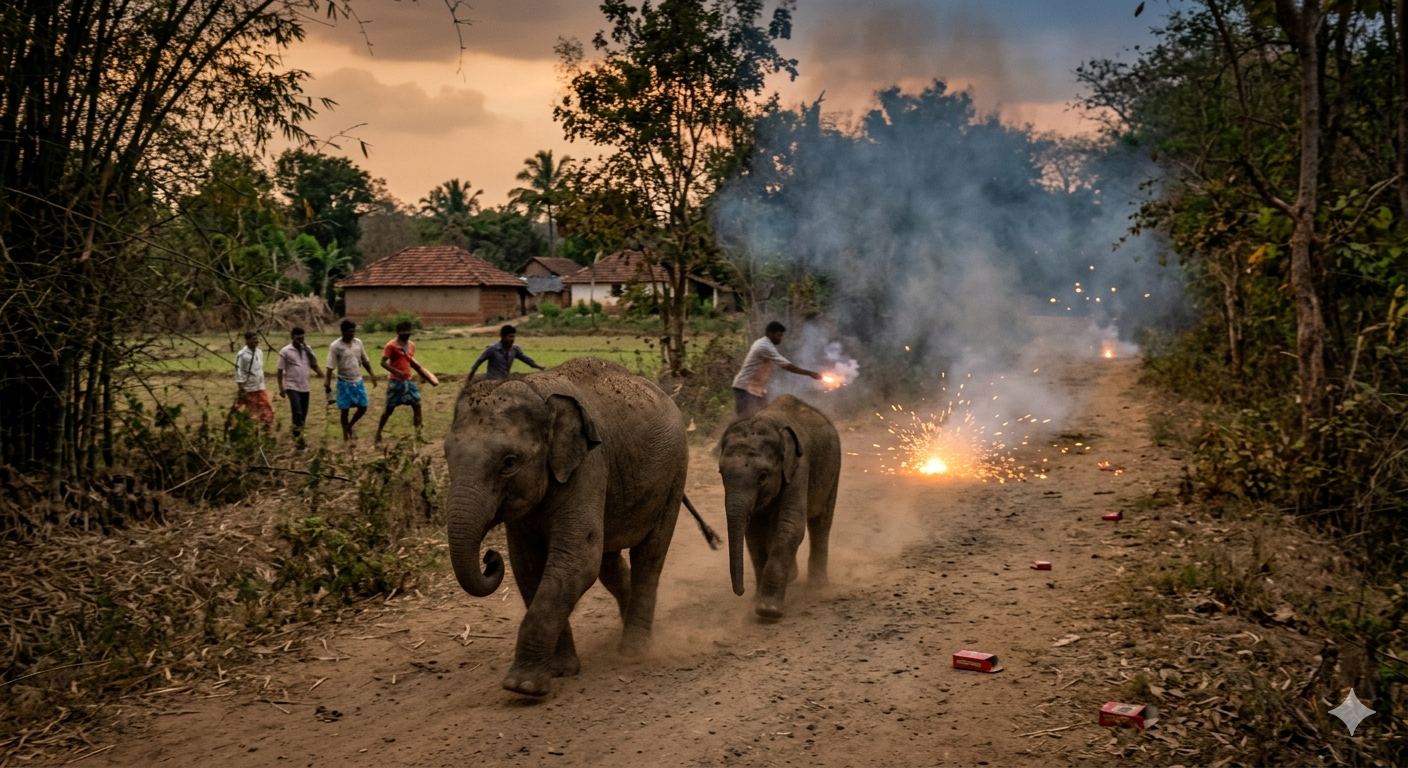
However, increasing human-elephant conflict is
threatening both human safety
and environmental balance.
Impact Highlights
- 🌳 Supports biodiversity and forest regeneration
- 🌍 Contributes to climate resilience and carbon cycles
- 👨👩👧👦 Protects up to 100,000 people (scalable model)
- 🐘 Preserves keystone species critical to
ecosystem health
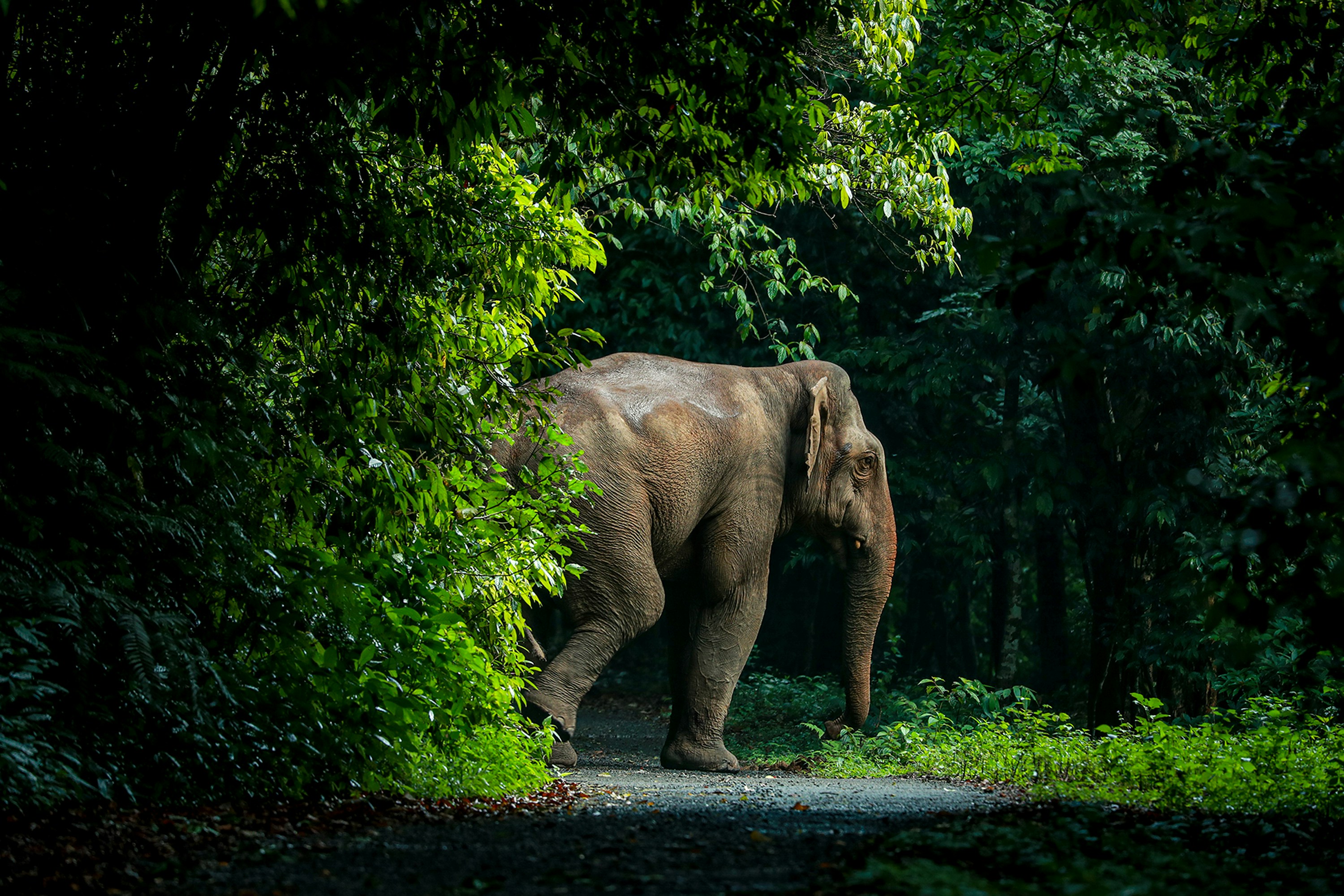
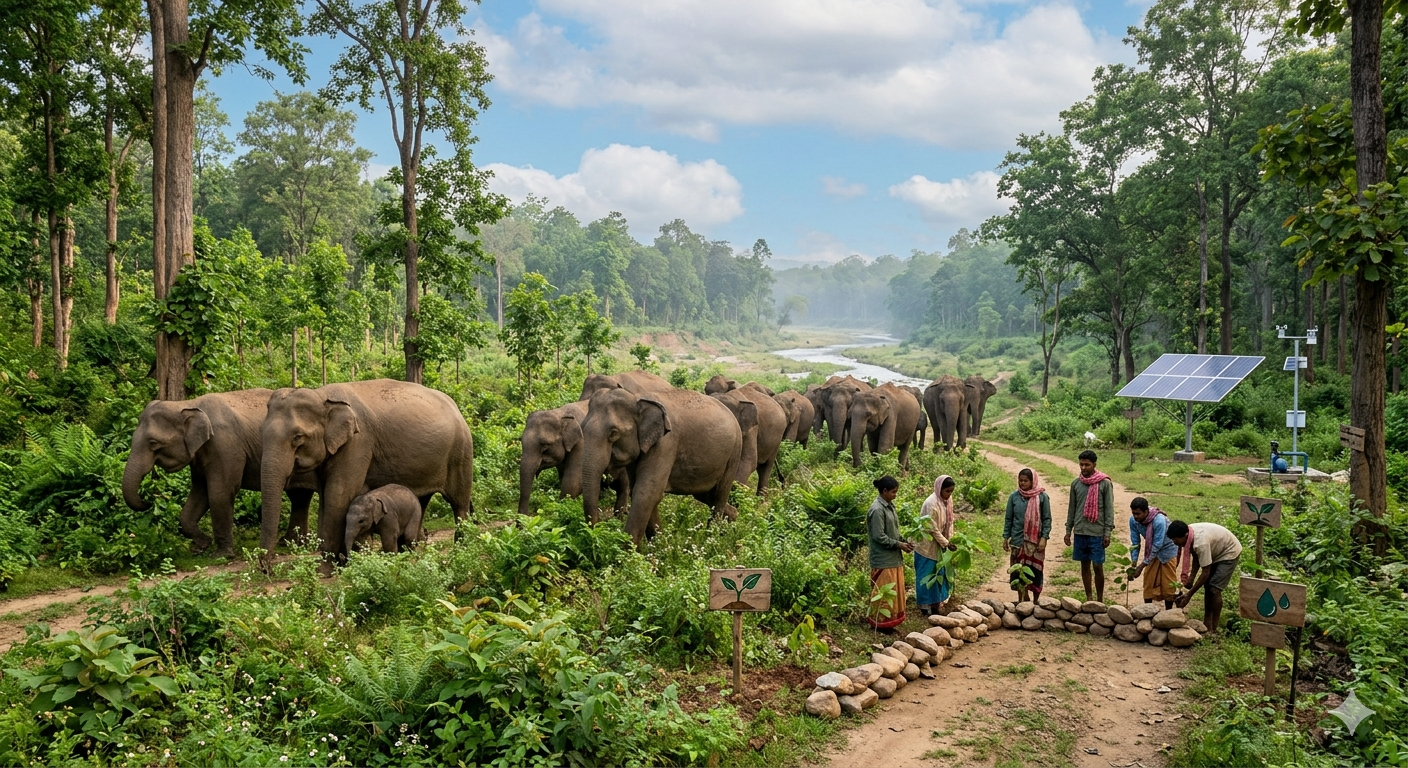
Pardos Conservation addresses this through a technology-driven, proactive infrastructure model that protects both people and ecosystems.
About Pardos Conservation
Pardos Conservation Charitable Trust is a Karnataka-based, 80G-registered nonprofit focused on building technology-enabled environmental infrastructure for sustainable coexistence between humans and wildlife
Mission
To deploy intelligent, AI-driven systems that protect wildlife, secure communities, and strengthen ecological balance.
Vision
A future where natural ecosystems are preserved as critical climate assets, enabling sustainable growth and environmental resilience
Our Approach
We integrate:
- Advanced AI & sensor networks
- Autonomous monitoring systems
- Community-based engagement
To create scalable, measurable environmental impact aligned with ESG goals
Protecting Nature, Preserving the Future
THE PROBLEM
A Climate and Sustainability Challenge
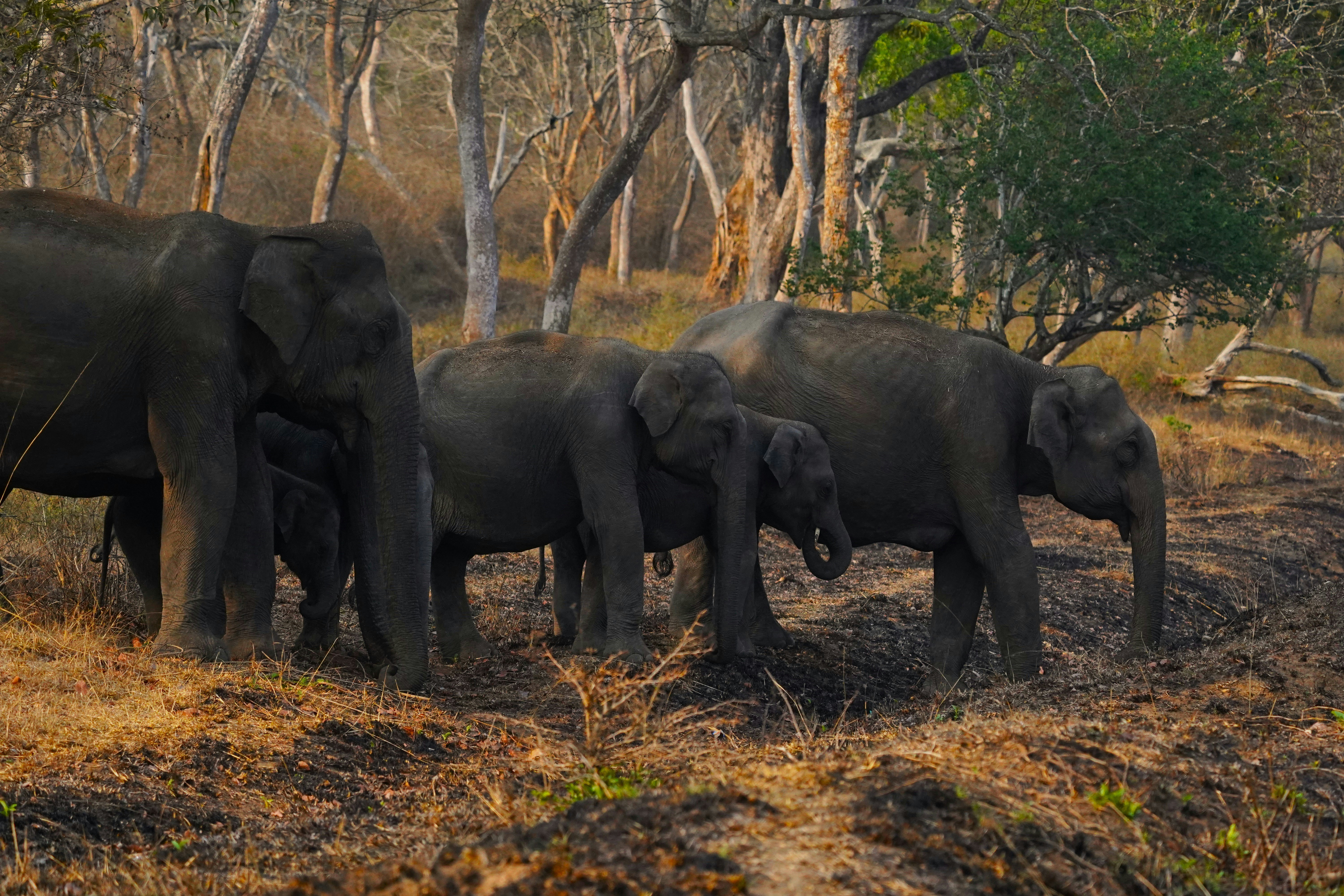
The decline of elephant populations due to conflict is not just a wildlife issue—it is a systemic environmental risk.
Elephants:
- Maintain forest diversity
- Enable large-scale seed dispersal
- Support long-term carbon storage
Impact of Decline
- Reduced forest regeneration
- Lower carbon sequestration capacity
- Declining biodiversity
- Increased environmental instability
The Gap
Current systems are:- Reactive
- Fragmented
- Inefficient at scale
Our Solution
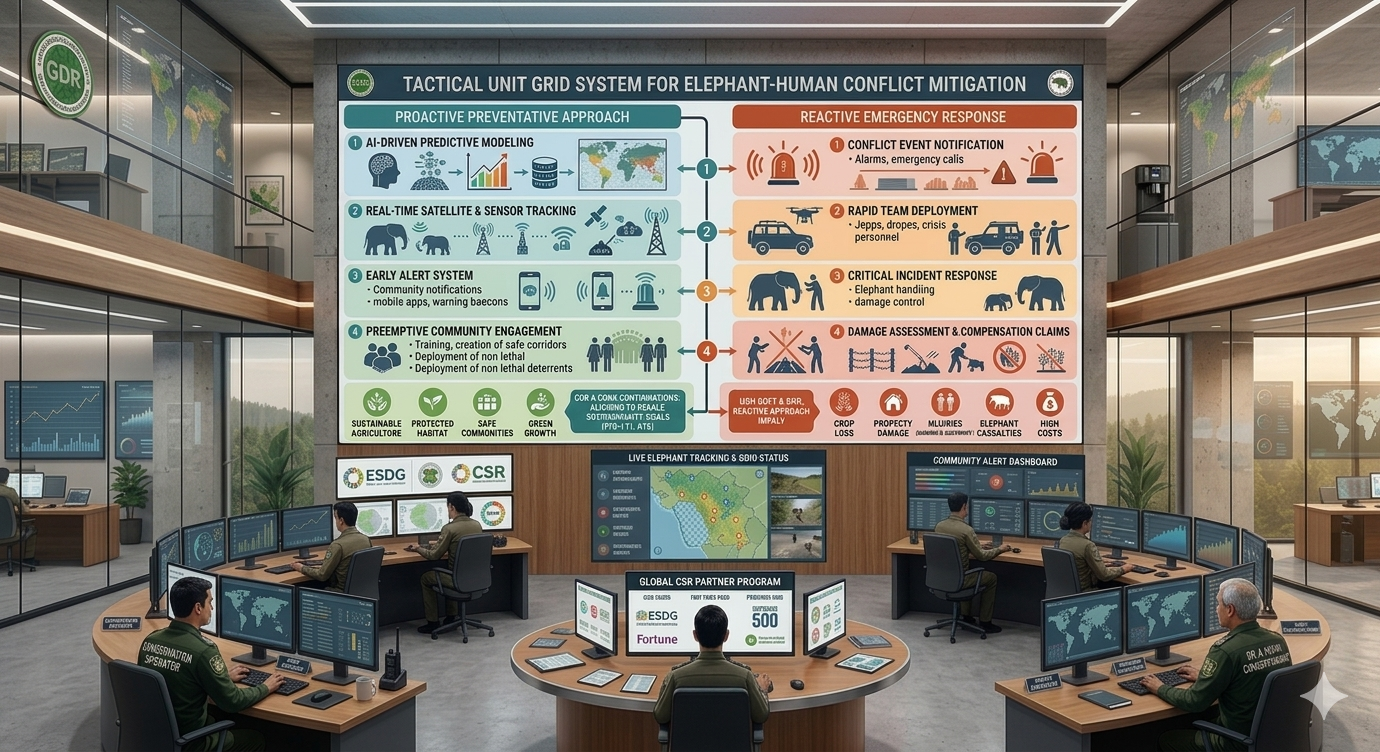
Tusker Harmony – Tactical Conflict Grid System
A next-generation environmental protection infrastructure that combines AI, IoT, and autonomous systems.
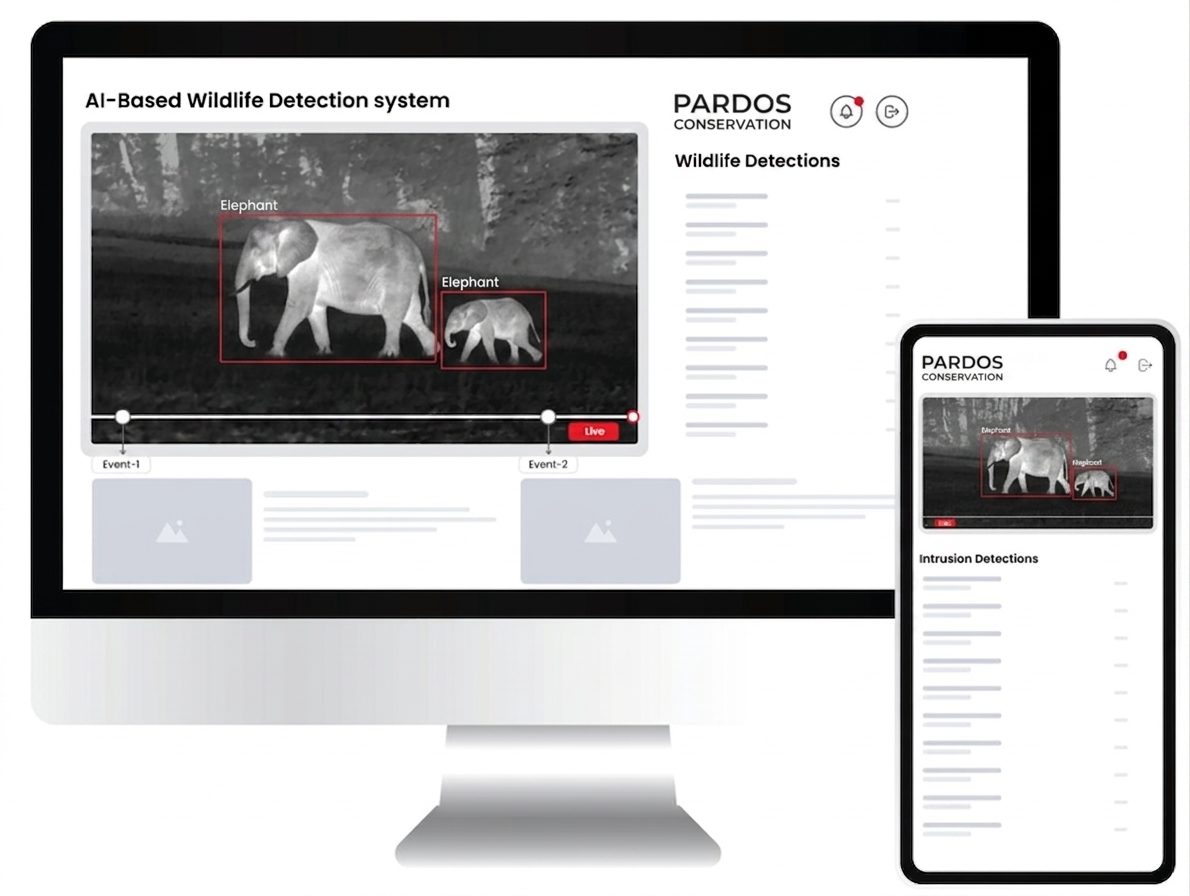
How It Works- Detects elephant movement in real-time
- Uses AI to predict movement and risk zones
- Deploys autonomous drone surveillance for validation
- Sends instant alerts to communities and authorities
- Enables rapid, coordinated response
Proactive vs Reactive Approach
Traditional systems respond after damage occurs.Tusker Harmony: 👉 Prevents conflict before it happens
Technology Stack
- AI-powered detection systems
- Thermal and acoustic sensors
- Autonomous drone monitoring
- Central command and analytics platform
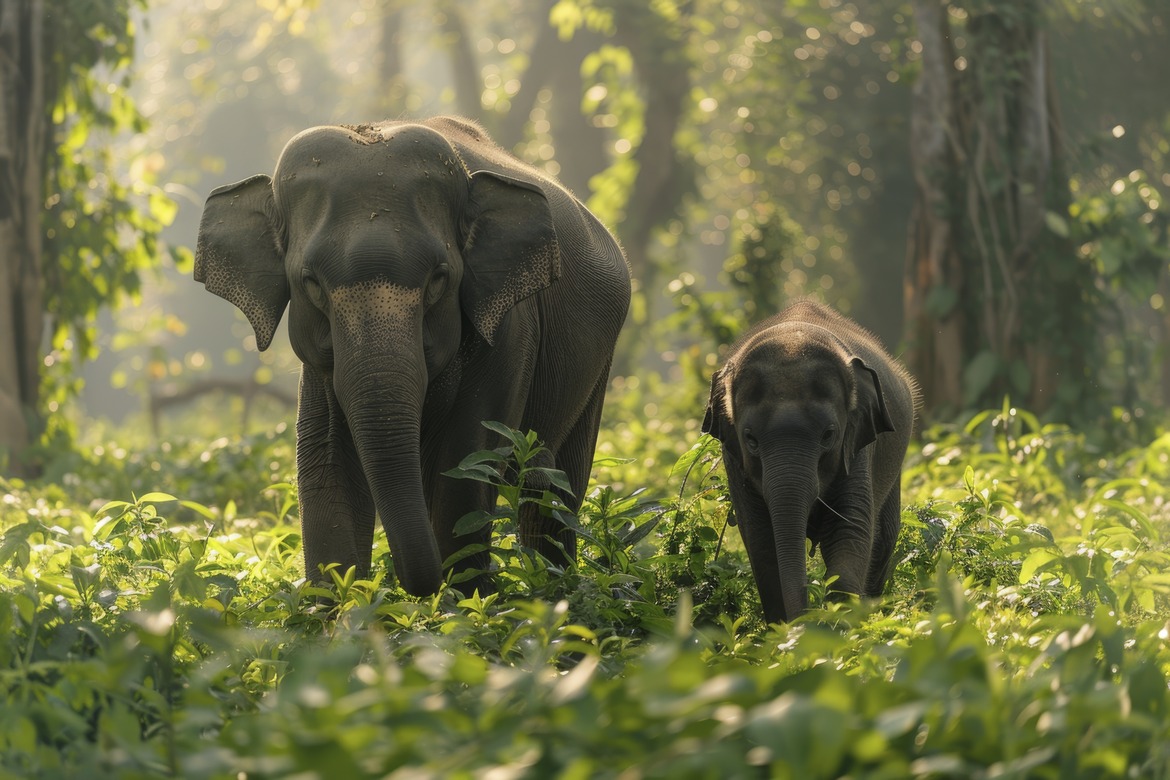
TACTICAL GRID SYSTEM UNIT
A self-contained intelligent environmental protection zone designed for continuous monitoring and intervention.
Key Components
- AI camera systems
- Thermal sensors
- Autonomous drones
- Solar-powered infrastructure
- Real-time alert systems
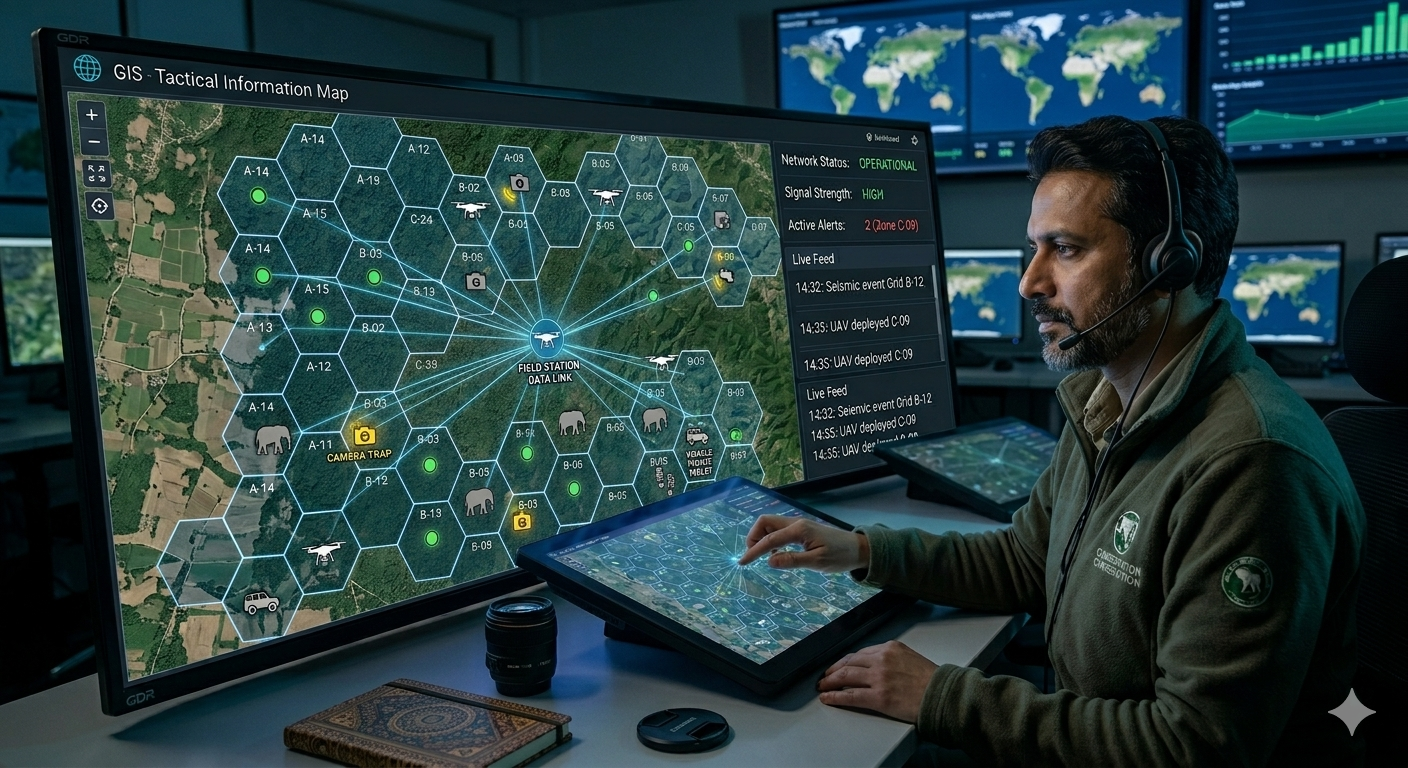
Central Command Integration
All grid units are connected to a centralized system that:
- Monitors ecosystem movement patterns
- Generates predictive insights
- Enables coordinated response across regions
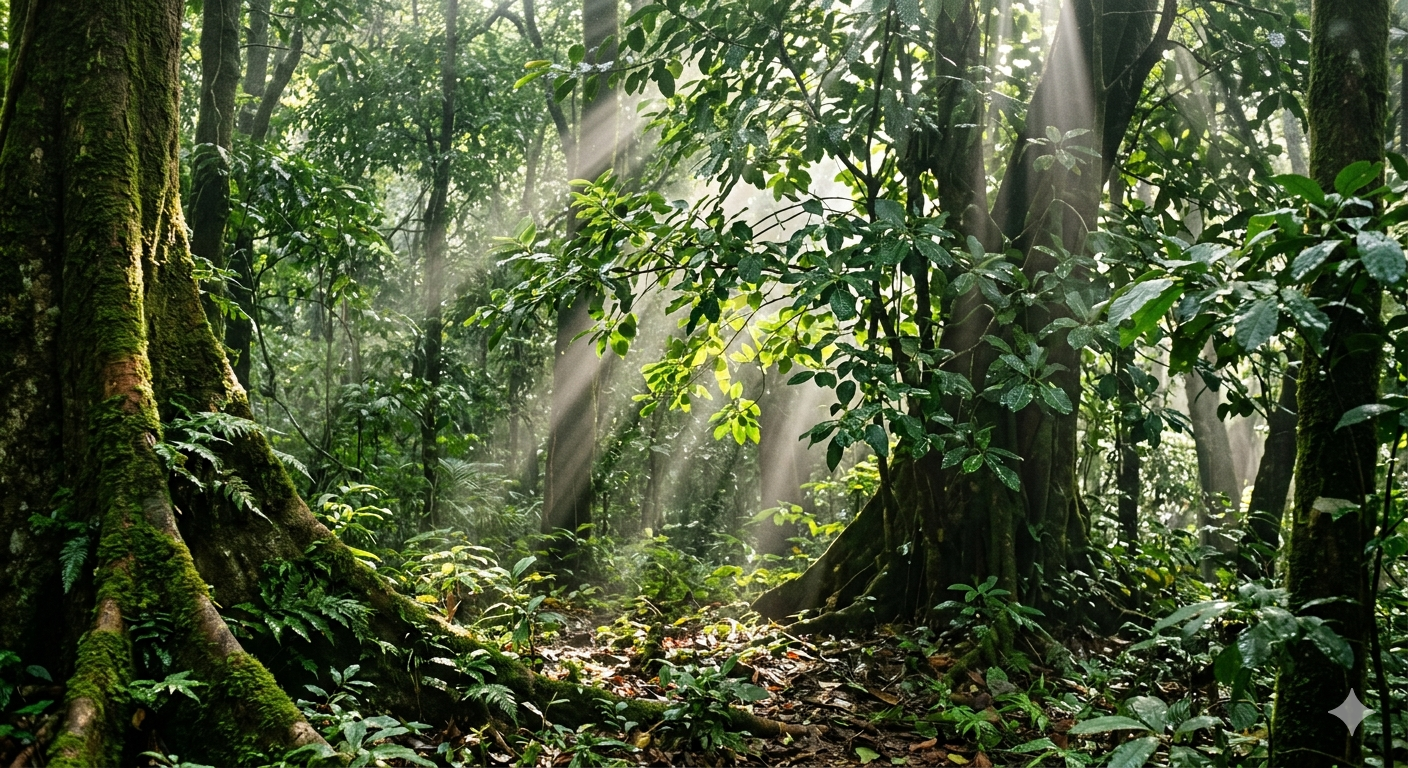
Climate & Oxygen Impact
By protecting elephants and enabling ecosystem balance, this initiative contributes to:
- Healthier forests
- Increased oxygen generation
- Improved air quality
- Long-term environmental sustainability across India
Impact Commitment
- Measurable KPIs
- Quarterly ESG reports
- Transparent fund utilization
Invest in India’s Natural Climate Infrastructure
Protect elephants. Strengthen ecosystems. Improve air quality. Safeguard communities.
The Opportunity
Your investment directly contributes to:- Climate resilience
- Biodiversity protection
- Sustainable ecosystems
- Community safety
Impact Delivered
- 100,000 people protected
- 150 villages secured
- 100 sq. km ecosystem coverage
- Long-term environmental sustainability
Why This Matters
This is not traditional conservation.
👉 This is environmental infrastructure that supports climate stability and oxygen-generating ecosystems

Reach Us — Be Part of the Herd
Whether you are a partner, researcher, volunteer, or simply someone who cares — we would love to hear from you.
Our field base operates near the Hunsur–Gonikoppal corridor, with a coordination office in Mysuru supporting research and partnerships.
We respond to all genuine enquiries within three working days.
For partnerships, media, or volunteering opportunities, reach out using the details below.
- Email: csr@pardosconservationorg.com
- Location: Mysuru, Karnataka
Fund a Grid. Protect a Climate System. Secure the Future.
Scan & Pay
 UPI ID: pardosconservation0626@sbi
UPI / GPay / PhonePe